
DixieGunAndPawn
Before You Bring a Firearm to a Pawn Shop: A Safer Preparation Checklist

Essential Preparation Steps, for Visiting a Pawn Shop with a Firearm

Taking a firearm to a pawn shop is not a drop-off; it needs careful thinking. The process can be much easier if you make sure you have everything before you leave the house. Here is a list to help you get ready from checking the firearms condition to knowing what kind of deal you want to make.

Checking Your Firearms Condition

Begin by choosing a place to look at your firearm. Make sure there is no gunpowder or things that can hurt nearby. Always act as if the firearm is loaded. Point the front of the gun in a way. Follow the makers instructions for taking it apart. Always check the inside of the gun how it works and the magazine to make sure it is completely empty.

If there is something about the gun that you do not understand a part or how it works it is better to ask a person who knows of trying to fix it yourself. Do not take apart the gun to make it look better especially if you see any damage. Being open about the state of the gun is important. Once you are sure it is empty keep any bullets far from the gun. Do not put magazines or loose bullets in the same box.

Keeping Track of Important Information

Before you go to the pawn shop make a list of all the details about your firearm. This includes:
– Manufacturer
– Model
– Caliber or Gauge
– Serial Number

Take some pictures, including both sides of the gun and a close-up of the number for your own records. Keep these pictures safe. Do not put them online. If the serial number is not easy to see do not try to clean it; get help from a professional instead.

Also collect any papers that go with the gun like receipts, user guides, warranties and any papers about who owned it. If you want to bring things make sure they work with your gun and say what changes or damage there is. Remember that the papers and things you need can be different so check what the pawn shop wants before you go.

Moving the Gun Safely

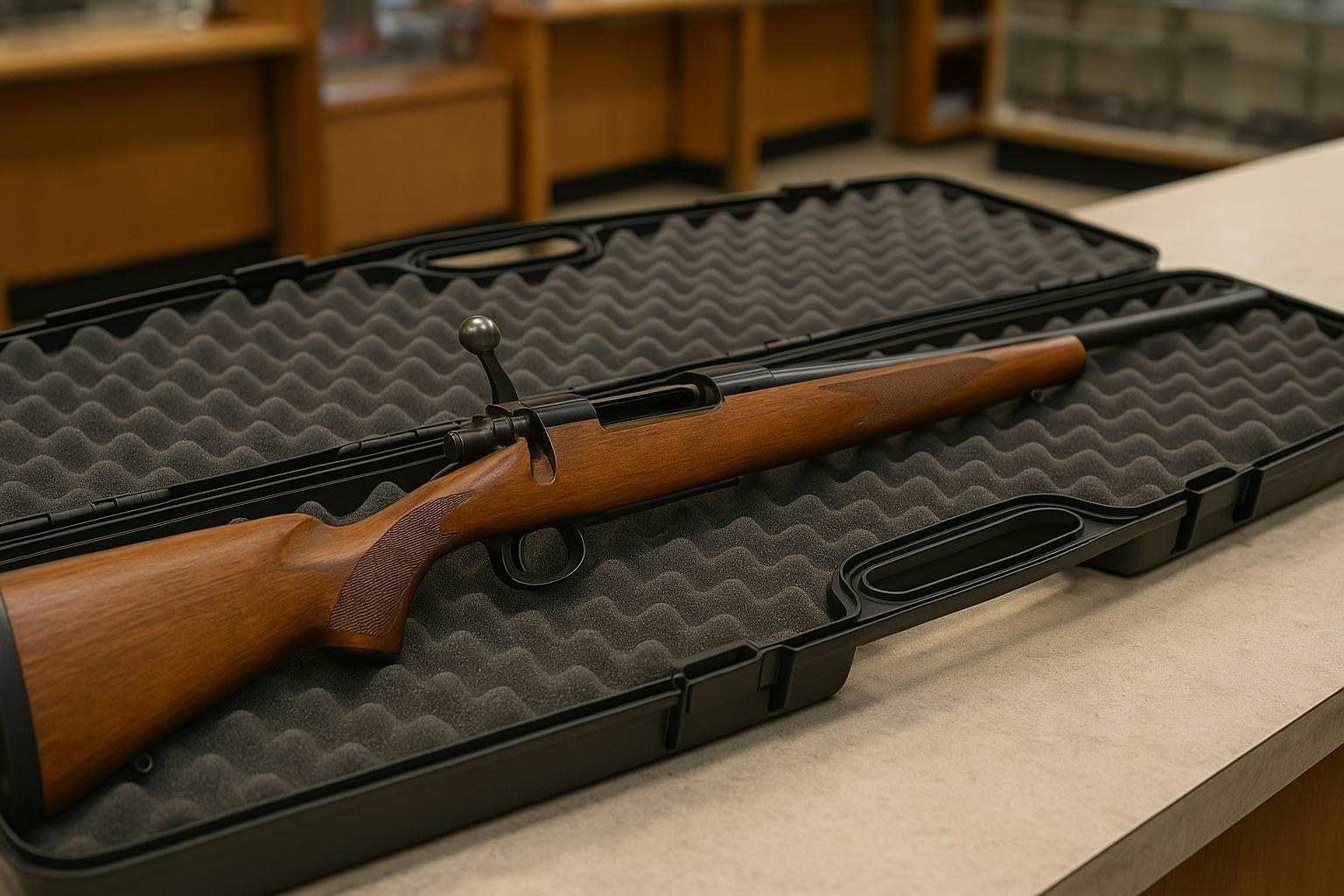
Moving the gun in a way is very important. Use a box that covers the gun so no one can get to it by accident. Depending on the rules where you live you might need a lock. Always keep the box locked when you are driving and keep the bullets separate unless the laws say different. Leaving a gun alone in a car especially if it is not locked is very dangerous.

When you plan your trip go to the pawn shop without stopping. Do not open the box in public. If the gun does not fit in the box. If you cannot prove it is empty fix that before you leave. Using bags or other bad covers is not an idea for moving the gun.

Laws about carrying guns can be. Change often. It is an idea to talk to officers or the pawn shop if you have questions about their rules.

Choosing: Pawn or Sell?

Before you go to the pawn shop know what you want to do-do you want to borrow money using the gun for a while or do you want to give it for good? When you pawn the gun you borrow money. Can get it back later. Keep in mind you have to remember the time and any costs that come with it. When you sell the gun you give it away forever which might be easier if you do not want to get it back.

Always ask for written details about the deal like the amount of money any costs and the time you have to get the gun back. Do not just trust what someone says; make sure you read the paper. If something is not clear ask for help.

The way the gun looks will affect what you can get. It is important to be honest about how the gun's including any wear or changes. Being open about any problems or the history of the gun can save time. Make the people at the pawn shop

Last Things to Do Before You Go In

As you finish getting ready check off this list:
– Make sure the gun is empty and keep bullets away.
– Use a box that no one can get into.
– Write down the maker, model, size and number.
– Get all the papers, like guides, bills and any parts.
– Write down any problems, changes or history.
– Before you arrive check with the rules or the pawn shop what you need.
– Make sure you understand if it is a pawn, sale or something else.
-. Understand the paper before you sign.

If you are not sure about anything just before you go take the time to find out. Good preparation helps you avoid errors and makes the whole time, at the shop go smoothly and with respect, which helps with what happens after you leave the shop.
How to Evaluate Firearm Fit, Controls and Intended Use: Common Mistakes and Better Alternatives

An often ignored part of buying a firearm is preparing to handle the firearm before deciding to own the firearm. Read the manufacturers manual learn the controls of the firearm and plan how the firearm will be stored and transported lawfully. That preparation helps expose a fit confusing controls or an unrealistic intended use of the firearm while there is still time to choose a different firearm. A careful evaluation is less about appearance or a single feature and more about handling of the firearm repeatable operation of the firearm maintenance of the firearm and a sensible match between the firearm and the person using the firearm.

Start with the job, not the feature list

Write down the purpose before comparing firearm models. A firearm intended for range practice may call for different handling characteristics than a firearm kept for hunting sporting use or another lawful purpose. The specific the use of the firearm the easier it becomes to identify necessary features of the firearm and dismiss attractive but irrelevant ones of the firearm. Ask questions. Where will the firearm be stored? Who may need to handle the firearm under supervision? How often is it likely to be used? Can you obtain instruction and practice time for the firearm? What cleaning, transport and access procedures fit your household for the firearm? These answers should guide firearm selection before brand preferences or cosmetic details enter the discussion. Avoid buying around a promise that one firearm will do everything equally well. Versatility can be useful. It can also produce a setup that is too difficult to handle the firearm too costly to maintain the firearm or poorly suited to the activity you actually pursue with the firearm. The intended use of the firearm should narrow the field not serve as a justification for every option.

Check fit through unloaded handling

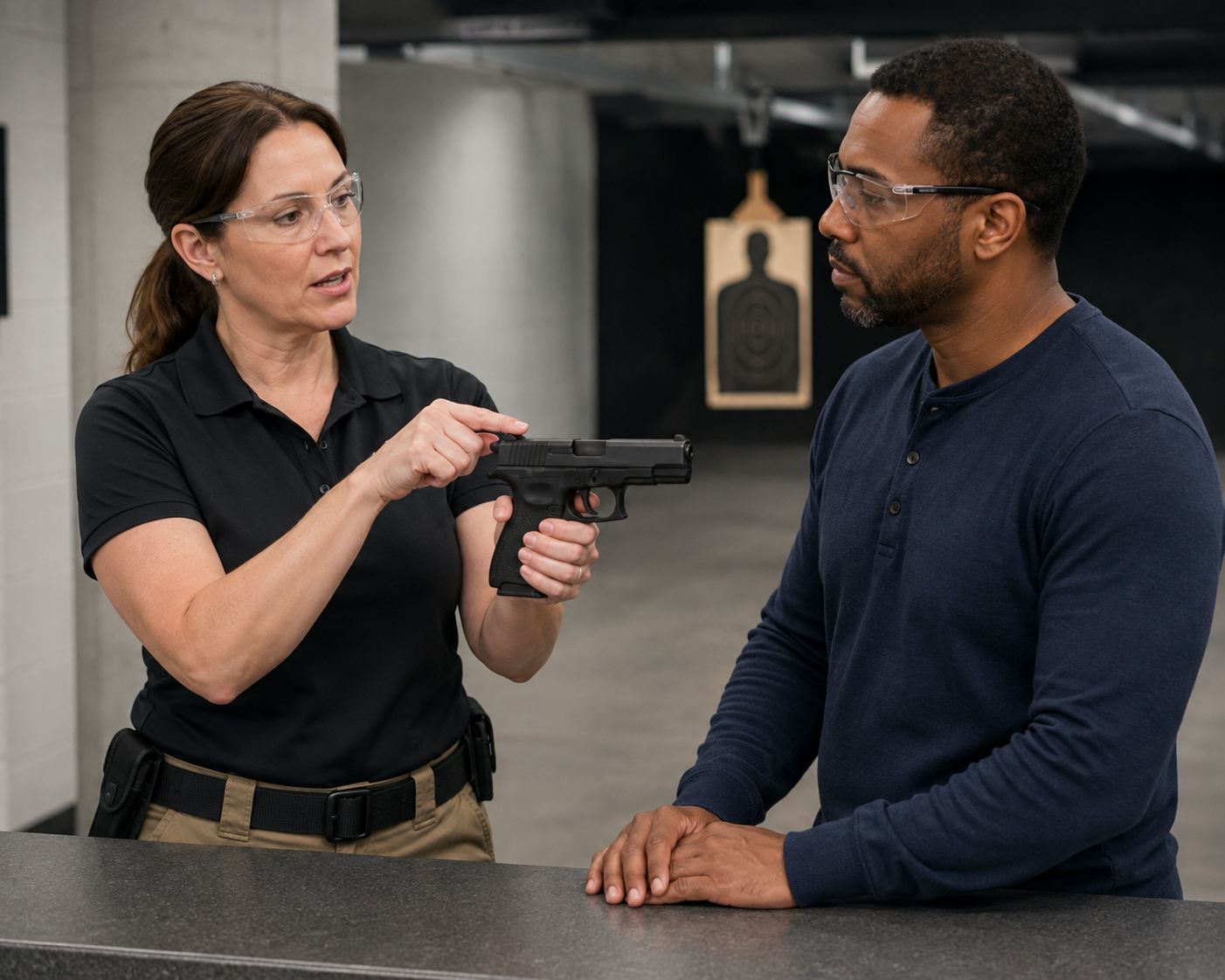
Fit is not simply whether the firearm feels comfortable for a few seconds. With the firearm unloaded and pointed in a direction the person should be able to hold the firearm securely reach the relevant controls of the firearm without shifting an unsafe grip and see the sights or other aiming reference of the firearm in a natural position. A poor fit of the firearm may show up as stretching, cramped fingers, an unstable grip or a tendency to place the trigger finger where it does not belong. Have a qualified professional or range instructor supervise the handling of the firearm when possible. Keep the action of the firearm open as directed remove ammunition from the handling area of the firearm and verify the condition of the firearm yourself. Do not rely on someone Assurance that the firearm is unloaded. Body size, hand strength, vision and experience all matter for the firearm. A firearm that seems manageable to one person may be awkward for another person with the firearm. Recoil, weight, balance and grip shape of the firearm can affect whether the person maintains control of the firearm and remains willing to practice with the firearm. If handling the firearm becomes tiring or uncomfortable quickly treat that as information about the firearm rather than something to ignore.

Test the controls before trusting them

Controls of the firearm should be understandable, reachable and consistent with handling of the firearm. Identify the safety mechanism of the firearm the magazine or loading controls of the firearm the slide or action release of the firearm the chamber indicator of the firearm if present and any other user-operated feature described in the manual of the firearm. The exact arrangement of the firearm. Labels or external appearance of the firearm are not a substitute for reading the manufacturers instructions for the firearm. A common mistake is assuming that the controls of the firearm work the way across different firearms. They may not. Another mistake is choosing a firearm model because a control of the firearm is prominent without considering whether the person can operate the control of the firearm deliberately while keeping the muzzle of the firearm pointed safely and the trigger finger of the firearm outside the trigger guard until ready to fire. During a unloaded inspection of the firearm ask the seller or instructor to demonstrate the normal operating sequence of the firearm. Then confirm that the person can identify each step of the firearm without rushing. If a control of the firearm requires force causes the grip of the firearm to shift or remains confusing after instruction for the firearm consider a different model of the firearm. Do not attempt a modification of the firearm to make the control of the firearm easier to use.

Let maintenance and range plans influence the choice

A firearm is not a one-time purchase of the firearm. It requires storage of the firearm routine inspection of the firearm cleaning of the firearm according to the manual of the firearm and attention to signs of damage or unusual operation of the firearm. Before buying the firearm find out what maintenance the manufacturer specifies for the firearm and whether the person is prepared to perform it safely or obtain qualified help for the firearm. Range preparation should be equally concrete for the firearm. Bring eye and hearing protection the manual of the firearm appropriate targets and only the ammunition recommended for the firearm. Keep ammunition from the firearm during initial handling of the firearm and follow the ranges posted rules for the firearm. Do not use ammunition that is damaged improperly identified or not listed as suitable by the manufacturer for the firearm. After a range session inspect the firearm as directed store the firearm unloaded when appropriate to your safety plan and applicable requirements and secure the firearm against access. Laws and regulations concerning storage, transport, transfers and carrying of the firearm can change. Check official guidance for your location rather than relying on an old post, a friends assumption or a sales conversation about the firearm.

Replace decisions with a short check

A useful evaluation does not need a complicated scoring system, for the firearm. Before completing a purchase of the firearm pause and confirm the following:
– The intended use is specific and lawful.
– The unloaded firearm fits the users hands, reach, strength and vision.
– The user can. Operate the controls without unsafe finger or muzzle movement.
– The manual has been. The maintenance requirements are realistic.
– Safe storage, transport, training and range procedures have been planned.
– The ammunition and accessories needed are clearly. Appropriate.
– The buyer has checked official laws and regulations that may apply.

If any answer is uncertain delay the decision. Ask an instructor or knowledgeable dealer for a supervised explanation of the firearm and compare another option rather than forcing a poor match of the firearm. Buying the firearm is one part of responsible ownership; selecting something you can safely understand the firearm maintain the firearm store the firearm and use the firearm is the more durable decision.